What to bring to assisted living: a packing list
Less than you think, and the right things. Start with what makes the apartment feel like home, then add what's practical. Always check the community's own list first; rules vary.
- Furniture: bed (if not provided), favorite chair, small dresser, nightstand, small table, reading lamp.
- Clothing: 10 to 14 days of outfits for the season, easy-on shoes, labeled if the community asks.
- Bathroom: toiletries, towels, a shower caddy, a nightlight for the path to the bathroom.
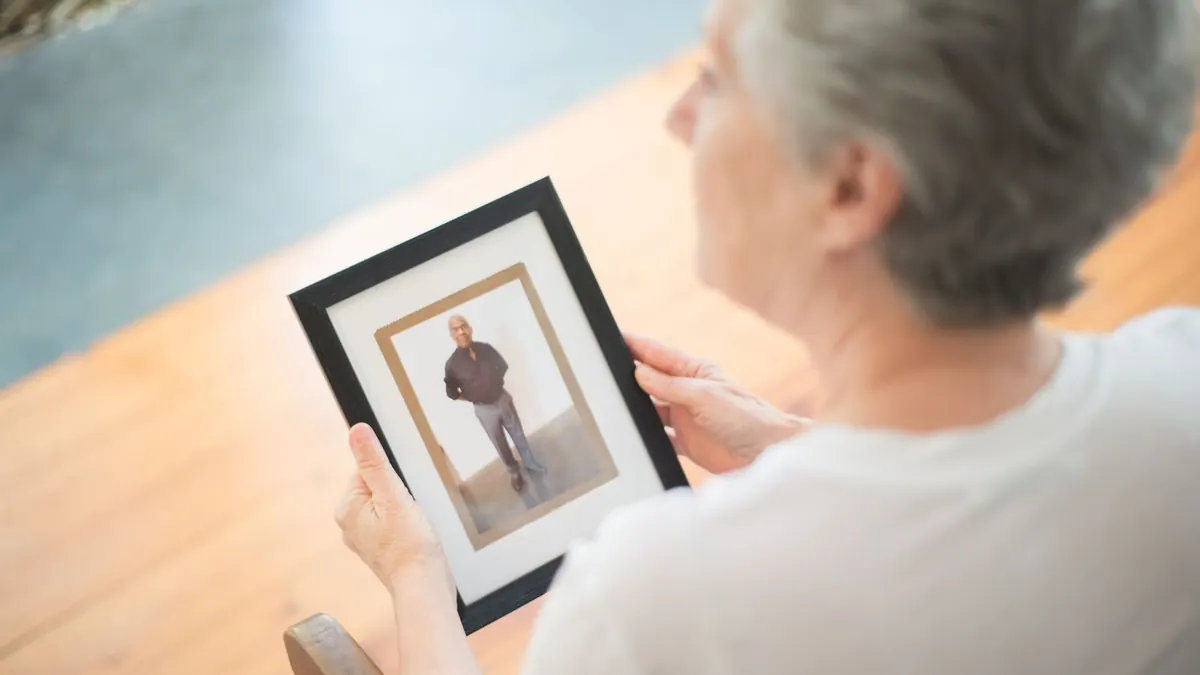
- Comfort: their own bedding, photos, a clock, a blanket, a few books or hobby things.
- Practical: phone and chargers, glasses, hearing aids, a small kit of batteries and hooks the community allows.
- Leave home unless allowed: space heaters, extension cords, loose rugs, candles, large valuables.
Step one: get the community's list
Before packing anything, ask the community in writing: what's provided (bed, curtains or blinds, a small fridge), what's not allowed, whether you can hang pictures, whether clothes must be labeled, and how medications are handled. Then measure the apartment and the furniture you'd like to bring.
Furniture
- Bed with their own mattress, if the community allows it and doesn't provide one
- The favorite chair, ideally one that's easy to get out of
- A small dresser and a nightstand with a drawer
- A small table and one or two chairs for visitors
- A reading lamp placed where it was at home
Draw it on the floor plan first. Keep a clear path from bed to bathroom and to the door; ADA guidelines use 36 inches for accessible routes, which also leaves room for a walker.
Clothing
- 10 to 14 days of everyday outfits for the current season
- Layers: a cardigan or fleece; buildings can feel warm or cool
- Pajamas, a robe and non-slip slippers
- Shoes that are easy to put on
- One or two outfits for events and church
- Laundry bag or hamper; clothing labels if requested
Bathroom and bedding
- Toiletries in their usual brands
- Towels and washcloths (ask whether the community provides them)
- A shower caddy
- Two sets of their own bedding, sized to the bed
- Nightlights for the path to the bathroom
Comfort and familiar things
- Framed photos placed where they can see them from the bed and the chair
- A clock and a calendar with large numbers
- A favorite blanket or pillow
- Books, puzzles, music, a hobby kit
- A small plant, if allowed
Before you pack, photograph how their bedroom is arranged at home. Recreating a familiar layout helps the first nights feel less strange.
Practical items
- Phone, chargers and a list of important numbers in large print
- Glasses, hearing aids and spare batteries
- A small TV and remote, if not provided
- Hooks or picture strips the community allows
- A small lockable box for a few valuables, or leave valuables with family
Papers to have ready (not necessarily to bring)
Communities typically ask for admission forms from the doctor, a medication list, insurance cards and emergency contacts. Ask for their exact list. Keep originals of legal documents with the family member who manages them; give the community copies only if they ask.
Checklists for the whole move, not just packing
Parent Move Plan includes move-day and first-week checklists, a 60-day plan with real dates, and (in Complete) a floor plan grid and furniture fit calculator for the new apartment.
See the plan, from $39The first-night box
Pack one box that travels in the car, not the truck:
- Bedding and pajamas
- Toiletries and a towel
- Glasses, hearing aids, chargers
- The TV remote and a few photos
- A nightlight
- Medication instructions from the community (hand medications over exactly as they asked)
What to leave home (unless the community allows it)
- Space heaters, extension cords and some small appliances
- Loose rugs that could be a tripping hazard
- Candles
- Large furniture that blocks walking paths
- Valuable jewelry and important originals
Questions
What furniture should you bring to assisted living?
Usually a bed (if the community doesn't provide one), a favorite chair, a small dresser, a nightstand, a small table and a lamp. Measure the apartment and the furniture first, and leave a clear path from bed to bathroom.
How many clothes should you bring to assisted living?
Many families start with 10 to 14 days of outfits for the current season, plus shoes that are easy to put on. Label everything if the community asks for it, and bring other seasons later.
What is not allowed in assisted living?
It varies by community and state. Items often restricted include space heaters, extension cords, some rugs, candles and certain appliances. Ask the community for its written list before you pack.
What should go in the first-night box?
Bedding, pajamas, toiletries, glasses and hearing aids with chargers, phone and charger, the TV remote, a few photos, a nightlight, and any medication instructions the community gave you. It should travel in the car, not the moving truck.
Related: the move-in day checklist and the full 60-day moving checklist.
Sources
- U.S. Access Board, ADA Standards 403.5.1 (clear width of walking surfaces, 36 inches): access-board.gov/ada
This guide is general information for organizing a move. It is not legal, financial or medical advice. Rules differ between communities and states.